
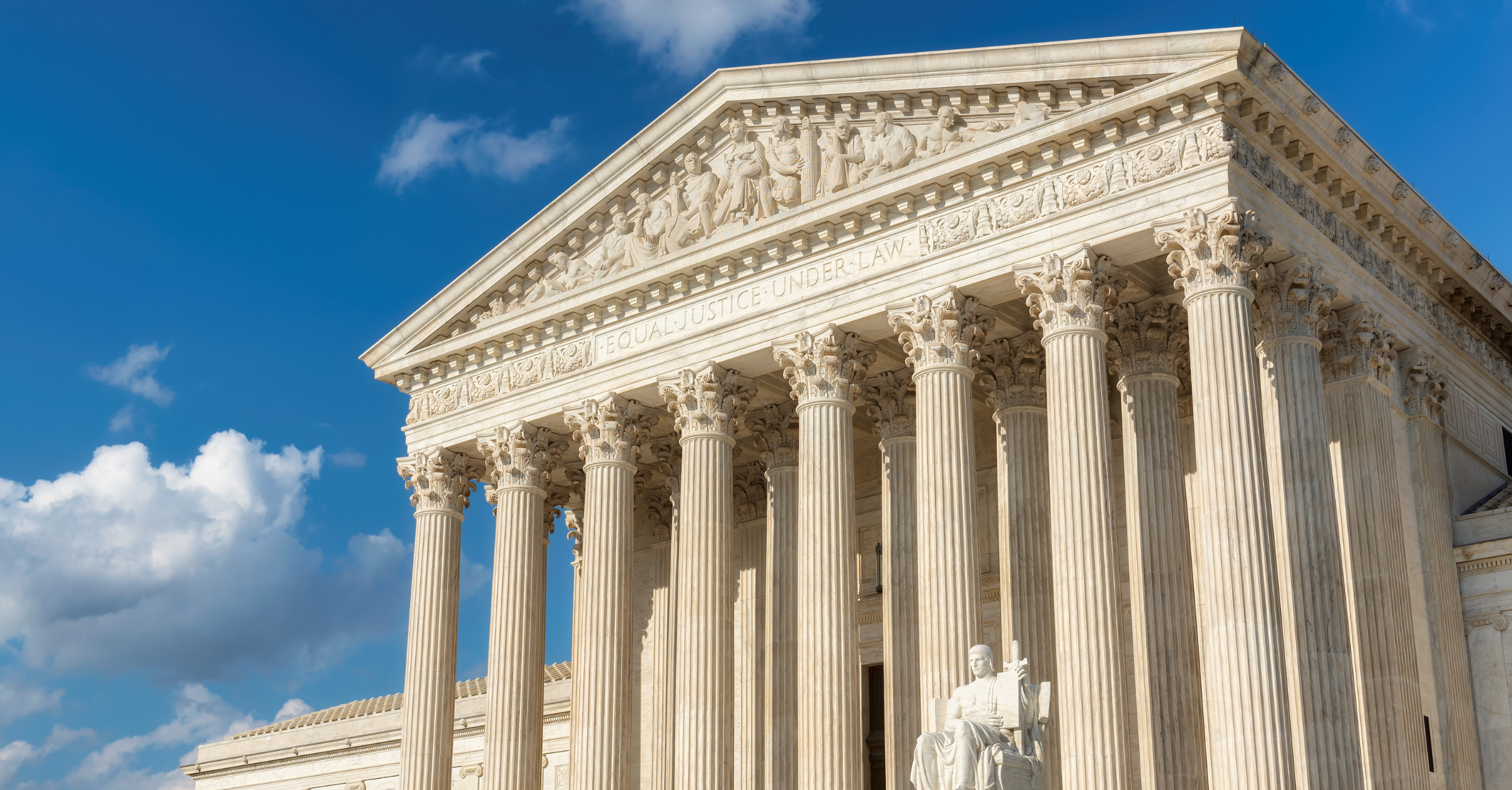
The U.S. Supreme Court has issued a major decision reaffirming birthright citizenship in the United States. The Court rejected an executive order that sought to deny citizenship to children born in the United States to certain noncitizen parents. The ruling preserves the long-standing constitutional rule that, with very limited exceptions, children born on U.S. soil are U.S. citizens at birth.
For immigrant families, this decision is significant because it restores clarity at a time when many parents were understandably concerned about the legal status of their U.S.-born children. The key message is simple: birthright citizenship remains protected.
What Did the Supreme Court Decide?
The Supreme Court rejected the government’s attempt to narrow birthright citizenship. The challenged executive order would have excluded certain U.S.-born children from citizenship if their parents were undocumented, temporarily present, or otherwise not U.S. citizens or lawful permanent residents.
The Court reaffirmed that children born in the United States to parents who are unlawfully or temporarily present are generally “subject to the jurisdiction” of the United States and are citizens at birth under the Fourteenth Amendment’s Citizenship Clause. The traditional exceptions remain narrow, such as children of foreign diplomats or other limited categories not subject to U.S. jurisdiction.
The practical effect is clear: the executive branch cannot remove birthright citizenship by executive order.
What Is Birthright Citizenship?
Birthright citizenship means that a child born in the United States automatically becomes a U.S. citizen at birth, regardless of the immigration status of the parents, so long as the child is subject to U.S. jurisdiction.
This principle comes from the Citizenship Clause of the Fourteenth Amendment, which provides that all persons born or naturalized in the United States and subject to its jurisdiction are citizens of the United States and of the state where they reside.
This rule has been part of American law for generations. For immigrant families, it provides certainty, stability, and protection for children born in the United States.
What This Decision Means for Immigrant Families
This ruling means that children born in the United States to undocumented parents, temporary visa holders, students, visitors, workers, and many other noncitizens remain U.S. citizens at birth.
Parents should not rely on rumors suggesting that their U.S.-born children have lost citizenship rights. The Court’s decision rejected the proposed restriction and preserved the broad rule of citizenship by birth.
This is especially important for families who were delaying decisions, avoiding hospitals, or fearing that their children’s birth certificates might no longer establish citizenship. A U.S.-born child remains a U.S. citizen, subject only to the very narrow historical exceptions recognized under law.
What This Decision Does Not Mean
Although the ruling is important, families must understand its limits. The decision does not give immigration status to the child’s parents. A U.S.-born child may be a citizen, but that does not automatically make the parents lawful permanent residents, stop removal proceedings, or create an immediate green card pathway for the parents.
The decision also does not change the rules for family petitions. A U.S. citizen child generally cannot petition for a parent until the child turns 21 and satisfies the applicable legal requirements.
In other words, the ruling protects the citizenship of the child, but parents must still evaluate their own immigration options separately.
What Parents Should Do Now
- Keep certified copies of the child’s U.S. birth certificate.
- Apply for a U.S. passport when appropriate.
- Avoid misinformation from social media or unlicensed immigration advisers.
- Speak with an immigration attorney if the parents have unresolved immigration issues.
- Do not assume that a U.S.-born child automatically fixes the parents’ immigration status.
This decision provides important protection for children, but parents should still obtain legal guidance about their own cases.
Final Thoughts
The Supreme Court’s decision is a major reaffirmation of birthright citizenship and provides reassurance to immigrant families across the country. Children born in the United States remain protected as U.S. citizens under the long-standing understanding of the Fourteenth Amendment.
At the same time, families should understand that a child’s citizenship and a parent’s immigration status are separate legal issues. If you are a parent of a U.S. citizen child and need guidance about your own immigration options, Alonge Law Firm, P.C. can help you evaluate your case and determine the best path forward.
Disclaimer: This article is for general information only and does not constitute legal advice. Every case is different. Reading this article does not create an attorney-client relationship.


